
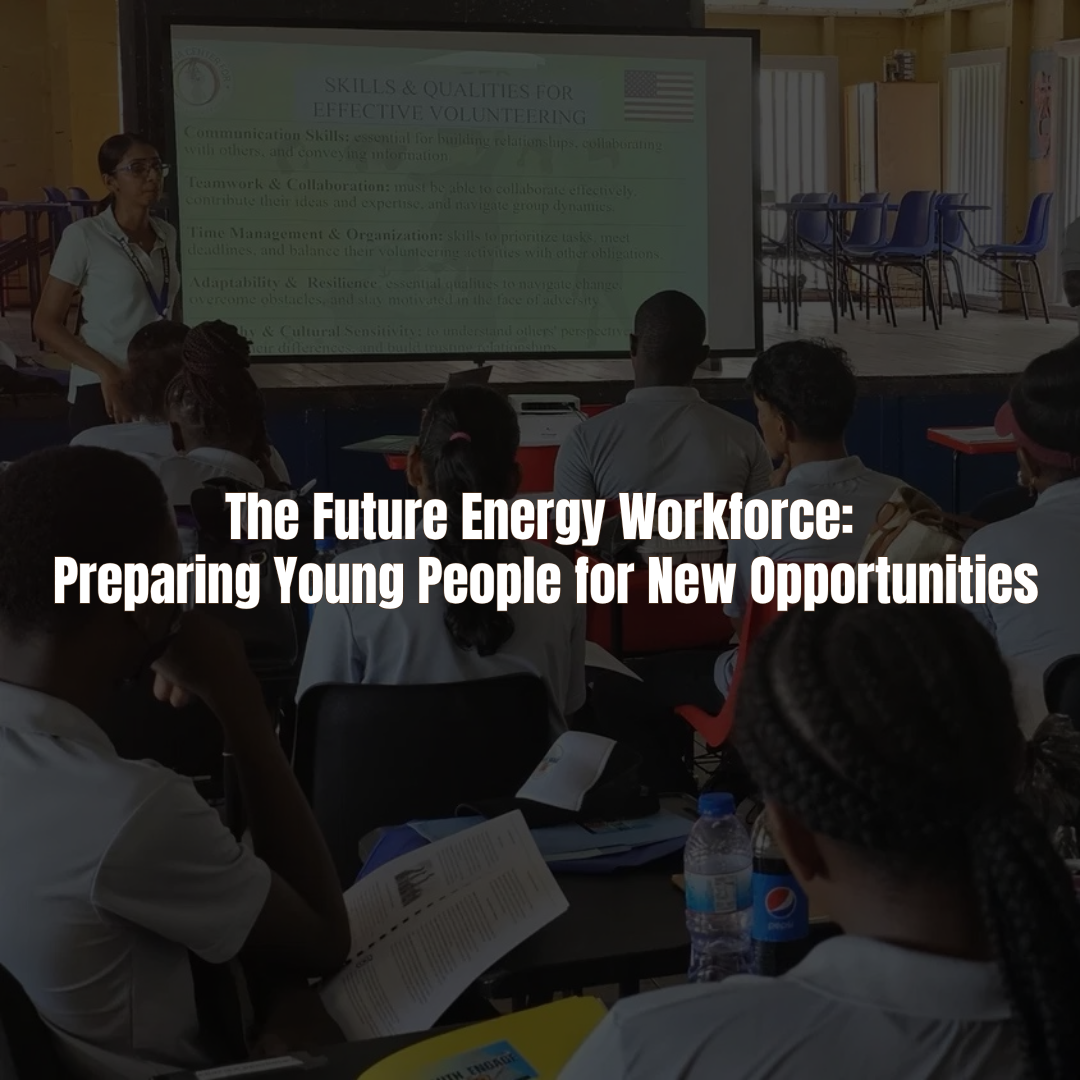
Guyana’s energy transformation is creating new possibilities across engineering, construction, logistics, technology, environmental services and business support. But the country’s long-term success will depend on more than investment and infrastructure. It will depend on whether young Guyanese are prepared to take up these opportunities. Preparing the future workforce must begin before a vacancy is advertised. Young people need clear career guidance, relevant qualifications, practical experience and an understanding of the standards expected in modern energy industries.
Energy careers go beyond the oilfield
An energy career does not only mean working offshore. The sector requires engineers, technicians, electricians, welders, mechanics, environmental specialists, marine operators, data analysts, safety professionals, accountants, procurement officers and many other workers. As Guyana develops its wider energy system, opportunities are also expanding in power generation, renewable energy, construction, transportation and equipment maintenance. This means there is no single route into the industry. University degrees remain important, but technical and vocational education, apprenticeships and industry certifications are equally valuable.
The Board of Industrial Training has expanded training into areas such as solar photovoltaic installation, electric-vehicle maintenance and charging infrastructure. These programmes reflect the need to prepare workers for both traditional and emerging energy careers.
Training must match industry needs
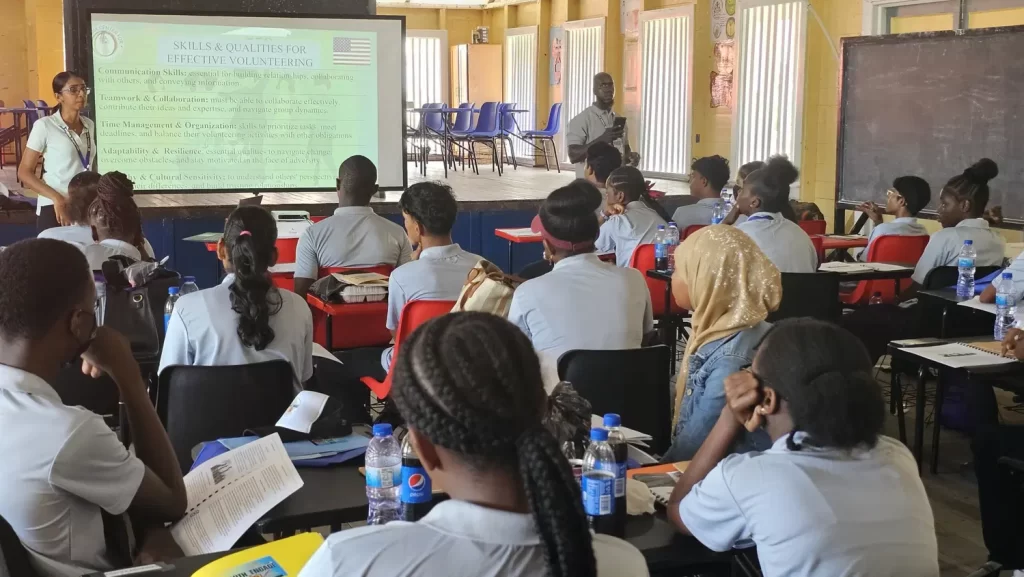
Qualifications alone are not enough. Young people must also be prepared for the realities of the workplace. Energy operations require discipline, teamwork, technical competence and a strong commitment to safety. Training should therefore include practical exercises, exposure to industry-standard equipment and opportunities to solve real workplace problems.
The opening of the Guyana Technical Training College at Port Mourant was an important step in strengthening local oil and gas training. The institution provides technical preparation in areas including production, mechanical, electrical and instrumentation operations. However, stronger partnerships are still needed among schools, technical institutes, universities, government agencies and private companies. Employers should regularly communicate the skills they require, while training providers must ensure that their programmes remain connected to changing technologies and industry standards.
Career preparation must start early
Young people need accurate information about the careers available and the qualifications required to pursue them. Career fairs, school visits, mentorship programmes and workplace tours can help students understand the range of opportunities that exist. A student interested in mathematics may pursue engineering or data analysis. Another may find a pathway in welding, electrical installation or mechanical maintenance.
Technical education must also be treated as a respected career route, not a lesser alternative to university. The expansion of Caribbean Vocational Qualification programmes in secondary schools is helping more students gain practical skills before graduation. This can create a stronger transition from education into employment.
Opportunity Must Be Accessible
Workforce development must reach young people across Guyana, including those in hinterland, rural and riverine communities. The cost of transportation, accommodation, equipment and internet access can prevent capable students from completing training. Programmes must therefore be designed with these barriers in mind.
Women must also be actively encouraged and supported to enter technical and operational fields where they have traditionally been underrepresented. This requires more than invitations to apply. Institutions and companies need fair recruitment practices, mentorship, appropriate facilities and workplace cultures that allow women to progress safely and professionally.
Closing the gap between training and employment
One of the greatest challenges is ensuring that training leads to real employment. Young graduates may have certificates but still lack workplace experience and professional networks. At the same time, employers may struggle to find workers with the right combination of technical skills and industry readiness.
Structured internships, apprenticeships and graduate-development programmes can help close this gap. These opportunities should provide meaningful experience, documented competencies and clear pathways for advancement. Success should not be measured only by the number of people trained, but also by job placement, earnings, further education and long-term career growth.
Preparing for a changing industry
The energy workforce of the future will need digital skills, adaptability and a willingness to continue learning. Automation, data systems and new technologies are changing how energy projects are managed and operated. Even workers in mechanical and technical roles will increasingly need to use digital tools and interpret information.
At the same time, employers will continue to value communication, reliability, sound judgement and respect for safety procedures. Young people must therefore be prepared not only for the jobs that exist today, but also for the industries and technologies that will emerge in the future.
Building a workforce that can lead
Preparing Guyana’s future energy workforce is a shared responsibility. Government must invest in education and training. Institutions must maintain strong standards. Employers must provide practical experience and transparent pathways into the industry. Young people must also take responsibility for building their skills and understanding the opportunities available.
Guyana’s energy success will not be measured only by production or revenue. It will also be measured by the number of Guyanese who gain valuable skills, build sustainable careers, establish competitive businesses and eventually lead the industries shaping the country’s development.
The future energy workforce is already in Guyana’s schools, training centres and communities. The work of preparing it must begin now.