
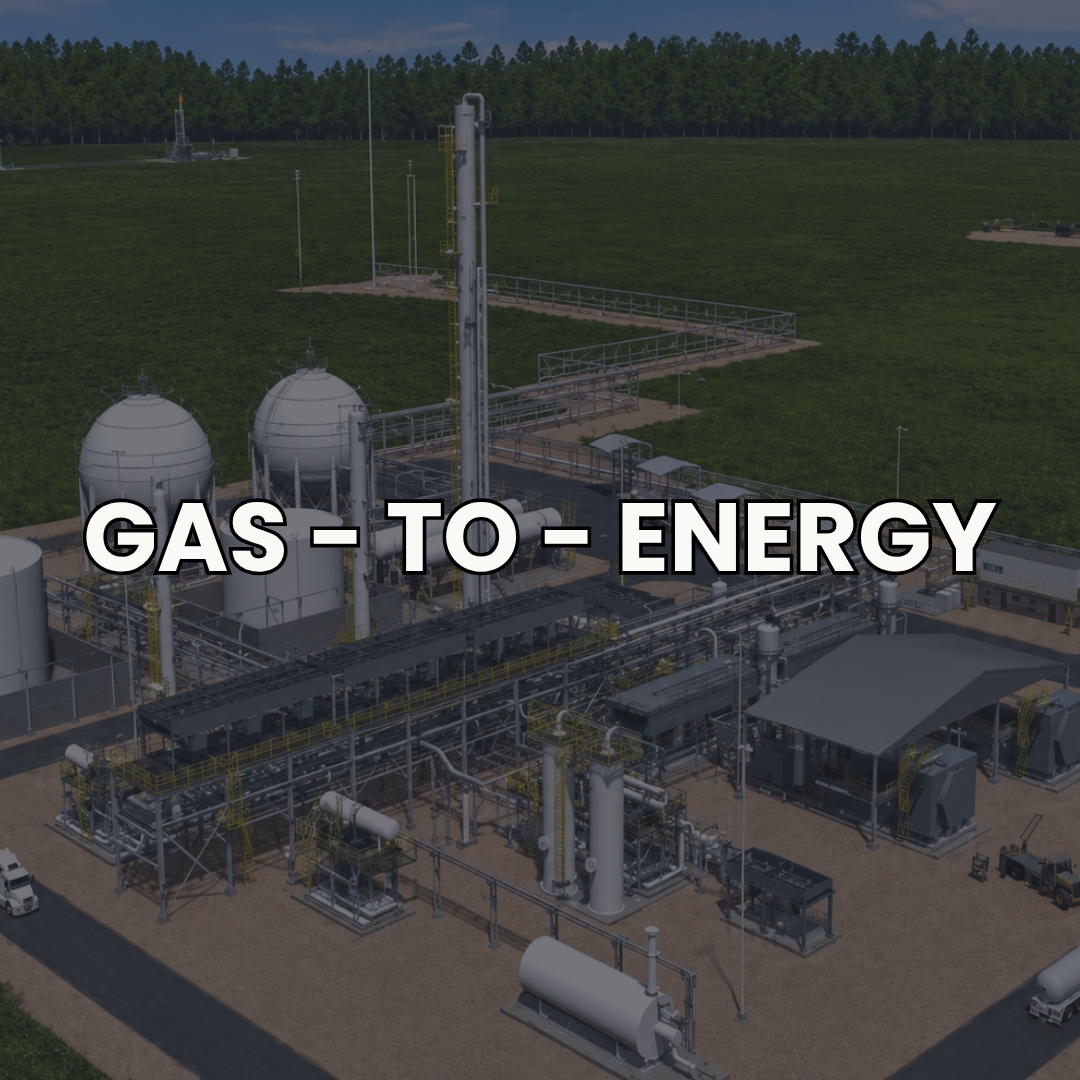
Guyana’s development story is entering a new phase. As the country’s economy expands, demand for reliable, affordable, and cleaner energy is rising across households, businesses, public services, and industry. For decades, Guyana’s electricity system has depended heavily on imported fossil fuels, exposing consumers and businesses to high costs, supply vulnerabilities, and grid reliability challenges. The Gas-to-Energy project represents one of the most important steps toward changing that reality.
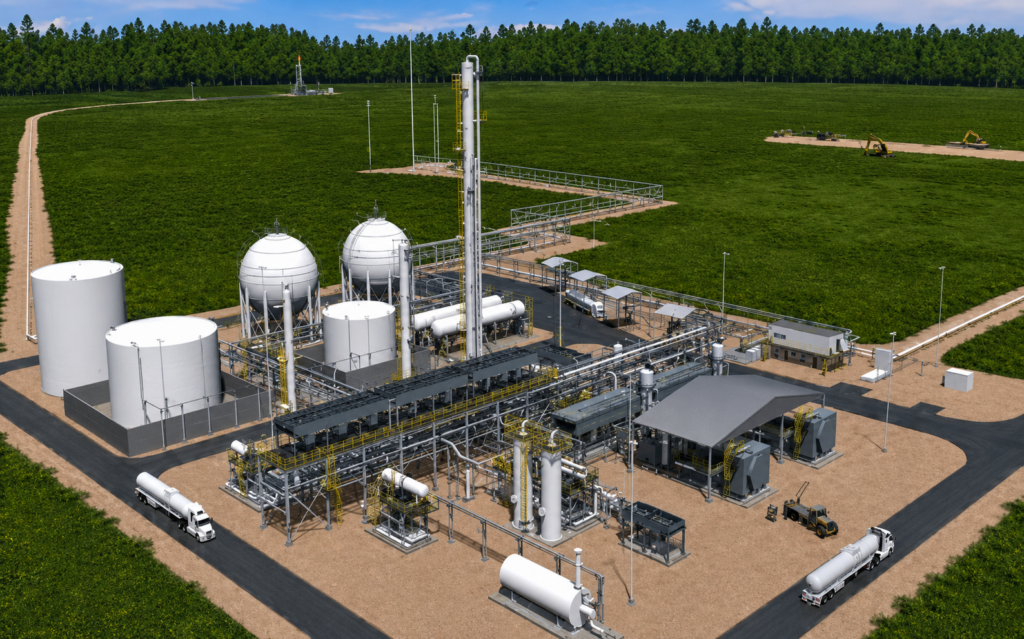
At its core, Gas-to-Energy is about using natural gas produced offshore Guyana to generate electricity onshore. Rather than allowing associated gas from oil production to remain underutilised, the project is designed to transport that gas from offshore production facilities to Wales, on the West Bank of Demerara, where it will support power generation and natural gas liquids processing. ExxonMobil has stated that the project would bring associated gas from its Liza Phase 1 and Liza Phase 2 developments through a pipeline to onshore gas processing facilities, with the pipeline expected to transport up to approximately 50 million standard cubic feet per day of natural gas.
The project includes three major components: an offshore and onshore pipeline system, a natural gas liquids facility, and a 300-megawatt power plant at Wales. The Government of Guyana has described the Wales Gas-to-Energy project as a 300 MW initiative and has reaffirmed a target of delivering first power to the national grid by the end of 2026. This scale matters because 300 MW of new generation capacity can significantly strengthen the country’s power supply, especially at a time when electricity demand is increasing rapidly due to economic growth, housing expansion, industrial activity, and new commercial development.
For ordinary citizens, the most immediate importance of Gas-to-Energy is the possibility of more affordable and reliable electricity. High electricity costs affect every part of national life. They raise the cost of doing business, increase household expenses, limit manufacturing competitiveness, and make it harder for small businesses to grow. Guyana has long faced some of the highest electricity costs in the region, with the Guyana Energy Agency noting the country’s heavy dependence on imported fossil fuels. By replacing a portion of imported fuel-based power generation with domestic natural gas, Guyana can reduce exposure to volatile global fuel prices and build a more secure foundation for long-term energy planning.
Gas-to-Energy should not be understood only as a power project. It is also an economic development project. Reliable electricity is one of the basic requirements for industrial growth. Manufacturers need stable power to operate machinery, agro-processors need energy for cold storage and production, hospitals and schools need dependable electricity, and investors need confidence that infrastructure can support large-scale operations. If implemented effectively, Gas-to-Energy can help make Guyana more competitive by lowering one of the key costs that businesses face: energy.
The project also has implications for supply chain development. Construction, engineering, logistics, transportation, fabrication, safety services, environmental management, maintenance, catering, security, and technical support are all connected to large infrastructure projects of this kind. As the project advances, the opportunity is not only to complete the plant and pipeline, but also to strengthen the capacity of Guyanese companies and workers to participate in the broader energy value chain. This is where Gas-to-Energy connects directly to local content. The long-term value of the project will depend partly on how well Guyanese businesses are positioned to supply services, build skills, meet standards, and benefit from the economic activity created around the energy sector.
From an environmental perspective, Gas-to-Energy is best viewed as a transition measure, not a final destination. Natural gas is still a fossil fuel, but it can play a role in reducing dependence on heavier, more carbon-intensive fuels while Guyana continues to expand renewables and modernise the national grid. Guyana’s Low Carbon Development Strategy identifies natural gas as a bridge away from heavy fuel oil, alongside hydropower and expanded solar, wind, and biomass development. This distinction is important. Gas-to-Energy should support the energy transition by improving reliability and lowering emissions compared to older fuel sources, while creating room for more renewable energy to be added over time.
The project also raises an important policy question: how can Guyana ensure that this new energy capacity supports broad-based development? Lower-cost electricity must translate into real benefits for citizens, businesses, and communities. That means continued investment in transmission and distribution infrastructure, stronger grid management, transparent governance, effective regulation, and clear planning for how energy savings will support national competitiveness. A power plant alone cannot transform the economy. The full benefit comes when generation, transmission, distribution, industrial planning, and private-sector development are aligned.
There are also legitimate implementation challenges. Large infrastructure projects require careful management of timelines, financing, technical standards, environmental safeguards, and public accountability. Guyana’s Gas-to-Energy project has already experienced timing adjustments, with Reuters reporting in 2024 that the project had been delayed from its earlier schedule. This makes disciplined execution even more important. The public value of the project will depend not only on its completion, but on whether it is delivered in a way that is reliable, cost-effective, transparent, and capable of serving Guyana’s long-term development needs.
Gas-to-Energy can become a foundation for a more diversified economy. Affordable and reliable power can support manufacturing, agro-processing, technology services, construction materials, cold storage, logistics, and other value-added sectors. It can also support future industrial zones and create opportunities for businesses beyond the oil and gas sector. In this sense, the project is not simply about bringing gas to shore. It is about using energy infrastructure to unlock new areas of national productivity.
For Guyana, the real promise of Gas-to-Energy lies in what it makes possible. It can help reduce energy costs, improve reliability, strengthen energy security, support local enterprise, and create a platform for industrial growth. But that promise must be matched by careful planning and responsible execution. Gas-to-Energy should not be treated as the end of Guyana’s energy transition. It should be treated as a bridge one that helps the country move from expensive, imported, fuel-based power toward a more reliable, competitive, and diversified energy future.
As Guyana continues to grow, energy will define the pace and quality of development. The countries that compete successfully in the modern economy are those that can provide reliable power, support productive industries, and plan responsibly for the future. Gas-to-Energy gives Guyana an important opportunity to do exactly that. If managed well, it can become more than a national infrastructure project. It can become a turning point in how Guyana powers its people, its businesses, and its next stage of growth.